
Refinery flare stack at night under operational load
·Field record

Three engagements. Reported against baseline, not anecdote.

Each case study is published with the operator's pre-intervention baseline, the engineering response, and the measured outcome — auditable, repeatable, defensible.

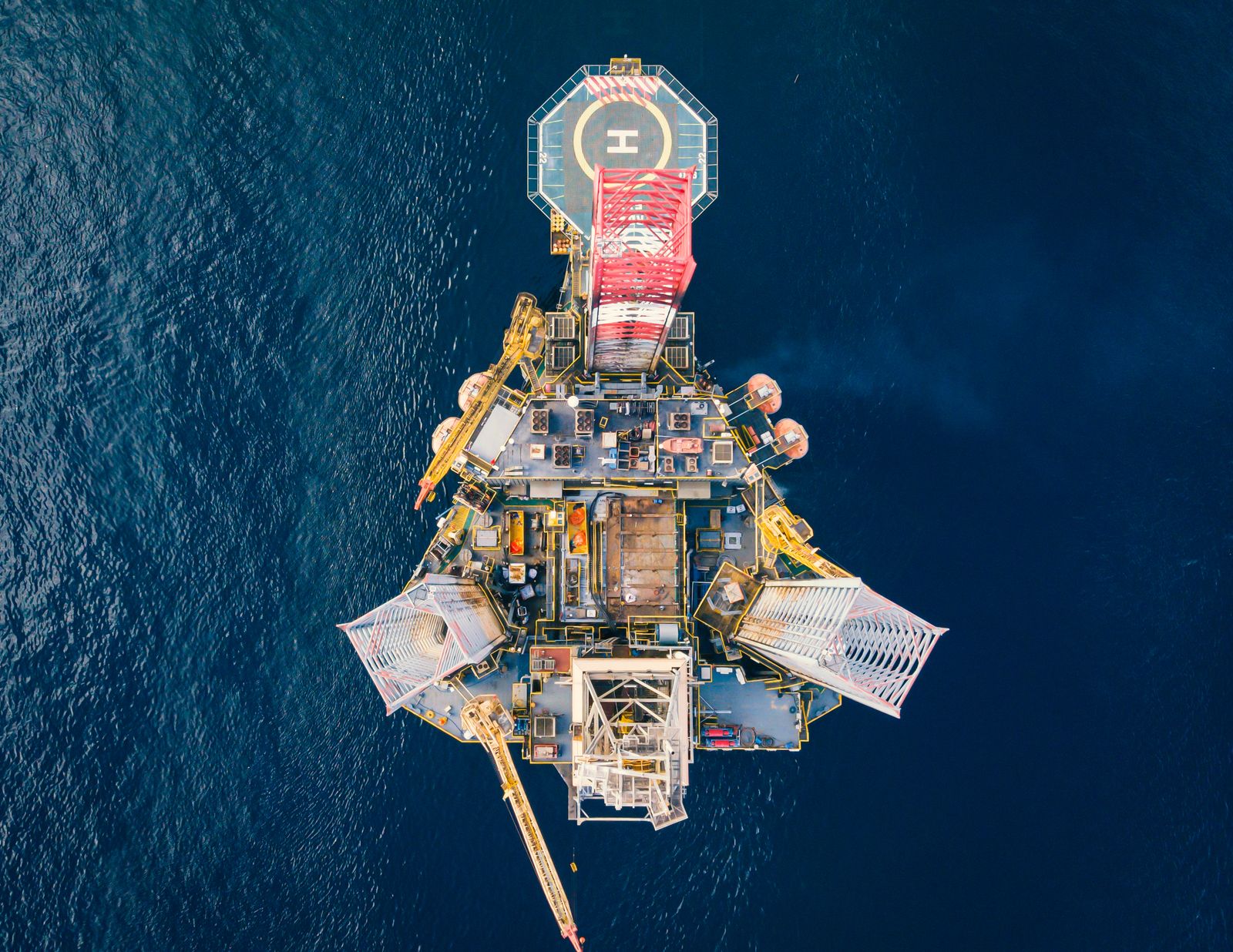
Offshore platform deck during intervention campaign
CS–01 · 01/03
−41%
Intervention cycle time
$11.8M
Annualised OPEX recovery
0
Recordable safety events
Major offshore operator
Subsea production system · Gulf of Mexico

Subsea wellhead intervention windows were running 41% over plan due to fragmented tooling logistics and inconsistent ROV pilot procedures.

Problem

Subsea wellhead intervention windows were running 41% over plan due to fragmented tooling logistics and inconsistent ROV pilot procedures. Each lost day equated to $1.4M in deferred production across a six-well tieback.

Engineering response

Embedded a resident reliability engineer with the operator's subsea team. Rebuilt the intervention work-pack as a critical-path schedule, standardised ROV procedures across two vendors, and tied tool mobilisation to a forward-week look-ahead reviewed daily.
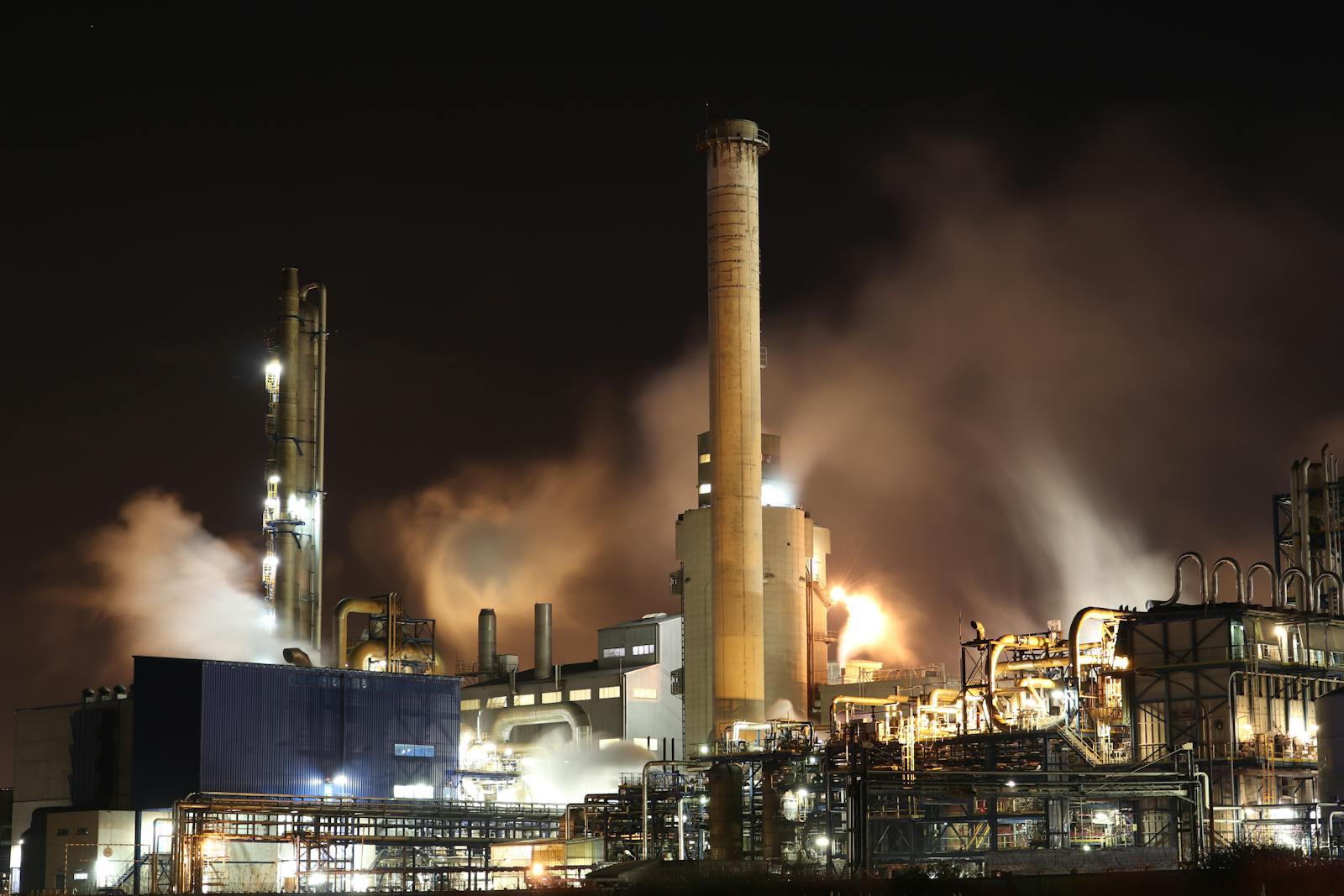
Floodlit refinery during turnaround operation
CS–02 · 02/03
−4 days
Delivered ahead of schedule
412k
Work-hours, zero LTI
$6.2M
Demurrage avoided
Independent refiner
FCCU turnaround · US Gulf Coast

A planned 38-day FCCU turnaround was tracking 8 days late at FEL-3 sign-off, exposing the operator to ~$1.

Problem

A planned 38-day FCCU turnaround was tracking 8 days late at FEL-3 sign-off, exposing the operator to ~$1.5M/day in lost margin and forward demurrage on a committed crude cargo.

Engineering response

Deployed a 14-engineer TA team for scope-freeze enforcement, critical-path re-baselining, and 24/7 superintendent rotation. Pre-mobilised long-lead vessel internals and ran phased-array UT on bypass.

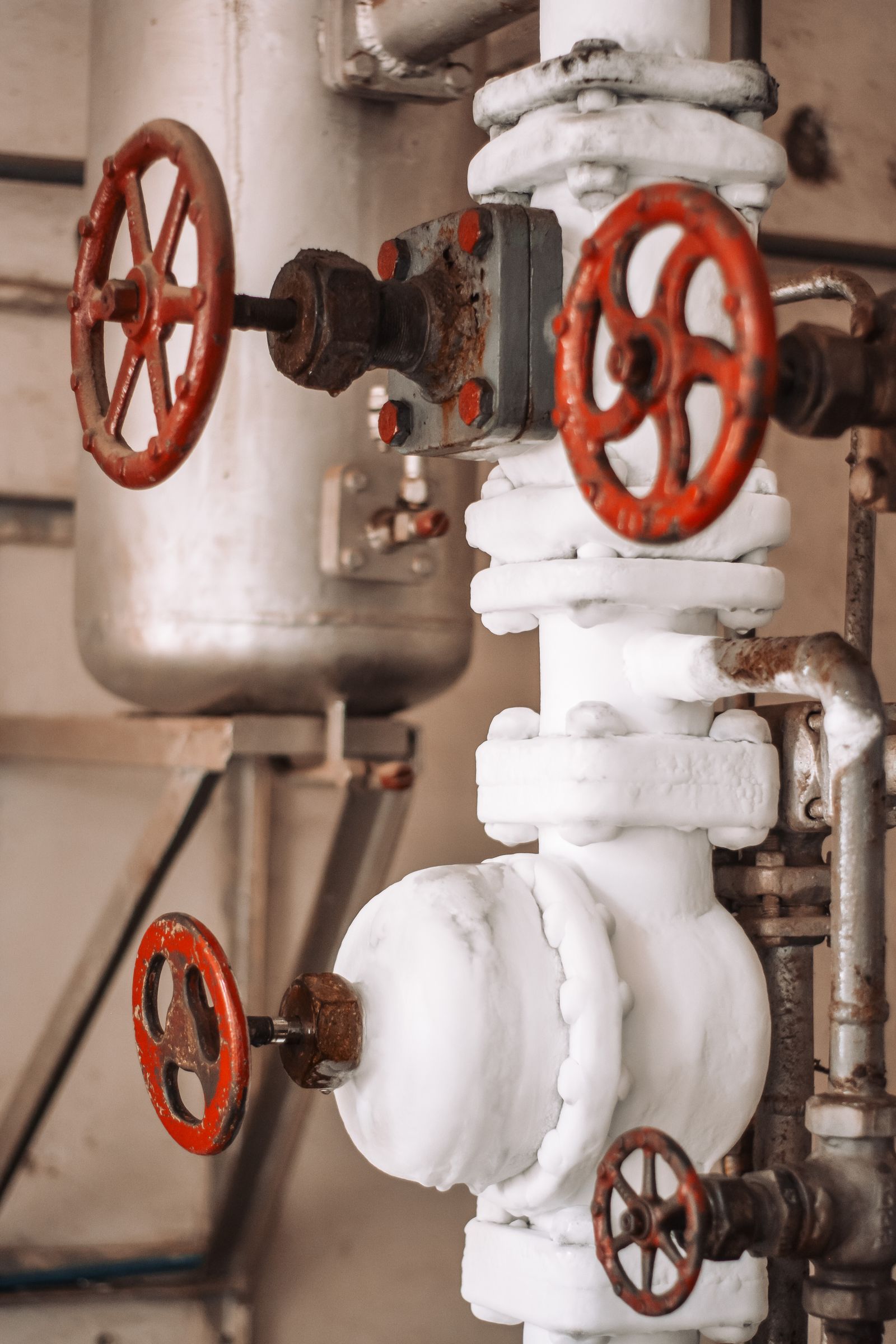
Reciprocating compressor station with high-pressure manifold
CS–03 · 03/03
+2.1×
MTBF on critical units
−28%
Maintenance OPEX
+7.3%
Throughput recovered
Midstream pipeline operator
Gas-lift compressor fleet · Permian Basin

A fleet of 22 critical reciprocating compressors was running on run-to-failure.

Problem

A fleet of 22 critical reciprocating compressors was running on run-to-failure. MTBF had degraded to 64 days, driving $9.4M annual unplanned maintenance and 11% lost throughput.

Engineering response

Installed an embedded condition-monitoring program: vibration spectral analysis on every cylinder, quarterly oil tribology, edge gateways pushing 412 tags to a remote ops dashboard, weekly engineering review with the maintenance superintendent.

Want the full engineering report for any of these engagements?